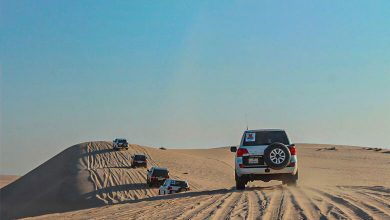
Dubai weather is hot and dry for most of the year, with a mild, pleasant winter from November to March and a very hot, humid summer from June to September. That makes timing the single biggest decision when you plan a trip: the same city can feel like a perfect outdoor destination in January and an air-conditioned retreat in August. This guide explains the weather season by season and month by month, shows when it rains, tells you when to go for beaches, sightseeing, desert safaris and cheaper hotels, and suggests what to pack.
What Is the Best Time to Visit Dubai?
The best time to visit Dubai is from November to March, when daytime highs are around 25 to 31°C, nights are cool and nearly every outdoor activity is comfortable. If you want to avoid the crowds and the highest hotel prices, October and April are good shoulder months. Summer is possible if you plan indoor days and visit outdoor sights early in the morning or after sunset.
Dubai Weather at a Glance
- Climate: subtropical desert, with very little rain and plenty of sunshine
- Hottest months: July and August, with average highs of about 41 to 42°C
- Coolest months: December to February, with average highs of 24 to 26°C and lows of 15 to 17°C
- Rain: around 80 to 100 mm a year, mostly between December and March
- Humidity: about 42 to 61% on average, and much higher on summer nights near the coast
- Sea temperature: from about 22°C in winter to over 33°C in August
Dubai Weather by Month
The table shows typical average highs and lows. Real temperatures vary from year to year, and the feels-like temperature in summer is higher because of humidity.
| Month | Average high | Average low | What to expect |
|---|---|---|---|
| January | 24°C | 15°C | Cool, sunny and the most comfortable month for outdoor plans |
| February | 26°C | 16°C | Mild and dry, with the occasional shower |
| March | 29°C | 19°C | Warm and pleasant, with a little more rain |
| April | 34°C | 22°C | Hotter, but still good for early and late outdoor activities |
| May | 38°C | 26°C | Hot, with humidity rising |
| June | 40°C | 29°C | Very hot, with long, humid days |
| July | 42°C | 31°C | Among the hottest and most humid months |
| August | 42°C | 32°C | The hottest month, with sea temperatures above 33°C |
| September | 40°C | 29°C | Still very hot, but the first signs of relief appear |
| October | 36°C | 25°C | Warm and a good shoulder month |
| November | 31°C | 21°C | Comfortable, with peak season beginning |
| December | 27°C | 17°C | Mild and sunny, with the busiest and priciest weeks |
Dubai Weather by Season
Winter (December to February)
Winter is the most comfortable time of year, with sunny days, cool evenings and daytime highs between about 24 and 27°C. It is the best season for walking tours, desert safaris, Global Village and outdoor dining, and a light jacket is useful at night, especially in the desert. This is also the busiest and most expensive period, so book hotels and attractions early. Our guides to the Global Village and the Dubai Frame are good places to start.

Spring (March to May)
March is still mild, April is warm and May is hot. Spring is a good season for beaches and water sports, because the sea is warming, and for travellers who want slightly lower prices than in winter. By late May, outdoor sightseeing is better done early or after sunset. See our Jumeirah Beach guide for beach days.

Summer (June to September)
Summer is very hot and humid, with daytime highs of 40 to 42°C and nights that barely cool down. Most visitors spend the day in air-conditioned malls, aquariums, ski slopes and museums, then go out after sunset. The upside is value: hotel prices are often well below winter levels, and attractions are less crowded. Our guides to the Dubai Mall, Ski Dubai and Aquaventure Waterpark cover the best summer options.

Autumn (October to November)
October is still warm but starts to feel more comfortable, and November is one of the best months of the year. Crowds and prices rise through November as winter approaches, so October is a smart month if you want warm weather and fewer people.

Does It Rain in Dubai?
Rain is rare. Dubai receives roughly 80 to 100 mm of rain a year, mostly between December and March, and usually in short showers. Heavy rain is unusual, but it can happen. On 16 April 2024, about 130 mm fell in a day, more than a typical year’s total, and caused widespread flooding. Check the forecast if your trip falls in winter or spring, and keep a flexible plan for outdoor activities.
Other Weather Conditions to Know About
- Humidity: it can make 40°C feel much hotter, especially in the evening near the coast.
- Dust and wind: strong shamal winds can bring dust and reduce visibility, and they sometimes affect beach and desert plans.
- Fog: winter mornings can be foggy and may delay flights.
- Heat safety: avoid midday outdoor activity in summer, drink water often and use sun protection.
Best Time to Visit Dubai by Activity
- Sightseeing and walking: November to March
- Beaches and water sports: March to May and October to November, with winter good for comfort and spring for warmer water
- Desert safaris: November to March
- Water parks: March to May and October, or any time of year with a plan for shade
- Cheapest hotels: June to September
- Shopping: the Dubai Shopping Festival usually runs from December to January. See our guide to shopping malls in Dubai.
Special Events and Seasonal Factors
- Dubai Shopping Festival: usually from December to January, with discounts, concerts and fireworks
- Dubai Summer Surprises: a summer shopping and entertainment campaign aimed at indoor activities
- Ramadan: dates move about 11 days earlier each year and fell in February and March in 2026. Daytime eating in public is discouraged, and many venues change their hours, so check ahead.
The UAE as a whole has a similar climate with local differences, which you can read about in our article on the climate of the UAE.
What to Pack for Dubai
- Winter: light clothing for the day, a light jacket for the evening and the desert, and comfortable walking shoes
- Summer: breathable, light fabrics, a hat, sunglasses, high-SPF sunscreen and a light sweater for the strong air conditioning
- All year: modest clothing for malls, mosques and public places, with shoulders and knees covered, and swimwear for beaches and pools
How to Plan Around the Weather
If you can travel in winter
Book early, plan outdoor sights and a desert safari, and keep one flexible day in case of rain.
If you can only go in summer
Plan indoor attractions for the middle of the day, visit outdoor sights at sunrise and after sunset, and look for hotel deals. Our guide to the Burj Khalifa explains how to time your visit.
If you want the best balance of weather and price
Choose late October, early November or late March to early April, when the weather is good but prices are lower than at the winter peak.
Practical Tips
- Check the forecast and the humidity, not only the temperature.
- Carry water and use sun protection every time you go outside in the middle of the day.
- Book hotels and tickets earlier for December and January.
- If you travel in summer, ask if outdoor attractions have shaded or misting areas.
- Check visa requirements before you travel with our guide to the types of UAE visas.
Dubai Weather: Frequently Asked Questions
What is the best month to visit Dubai?
January and February have the coolest and most comfortable weather, and November and March are also excellent.
What is the hottest month in Dubai?
August, with average highs of about 42°C and very high humidity.
Does it ever get cold in Dubai?
Not really. Winter nights can drop to around 15°C, which feels cool, especially in the desert, but it is never freezing.
When does it rain in Dubai?
Mostly from December to March, with very little rain in summer.
Can you swim in the sea in Dubai all year?
Yes. The sea is about 22°C in winter and above 33°C in August, which is very warm.
Is Dubai too hot in summer to visit?
It is very hot, but many visitors enjoy it by focusing on indoor attractions and going out at night.
When are hotels cheapest in Dubai?
Usually from June to September, when demand is lowest.
Final Thoughts
Dubai is a year-round destination, but the weather decides how you will spend your time. Choose winter for outdoor plans, the shoulder months for balance and summer for value and air-conditioned attractions. Whichever season you pick, plan your days around the heat and book key experiences early. For ideas on what to do once you arrive, see our guide to Dubai Marina and our list of the best shopping malls in Dubai.