Traditional Qatari food is built on spiced rice, slow-cooked meat and fish, wheat porridge and sweets perfumed with cardamom, saffron and rose water. The cuisine reflects the Gulf’s trade routes, so you will notice Persian, Indian and Levantine influences next to Bedouin staples. Most visitors only see international menus in Doha, so it helps to know which dishes to look for and where to find them. This guide covers the main dishes, desserts and breakfast favourites, the best places to try them and how to plan your meals.
Is Qatari Food Worth Trying?
Yes, and the easiest way to start is with machboos for lunch and balaleet for breakfast. Qatari dishes are hearty rather than fiery, they are built for sharing, and most are easy to enjoy even if you do not usually eat Middle Eastern food. The main challenge is finding them, because Doha’s menus lean international, so it is worth heading to Souq Waqif or a dedicated Qatari restaurant.
Qatari Food at a Glance
- Staples: rice, wheat, lamb, chicken, locally caught fish and shrimp, dates and dried limes
- Typical flavours: cardamom, saffron, cinnamon, cloves, turmeric, rose water and dried lime, known locally as loomi
- Style: large shared platters, stews and porridges, rather than small plates
- Meat: traditional restaurants serve halal meat only, and pork is not part of the cuisine
- Heat level: aromatic and mildly spiced, with chilli sauces served on the side
Main Dishes to Try
Machboos
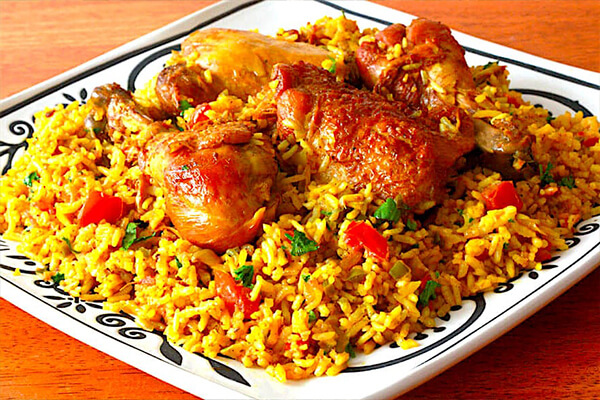
Machboos, also written majboos, is Qatar’s national dish. It is a bowl of long-grain rice cooked with meat or fish and flavoured with cardamom, cloves, cinnamon and dried lime. Chicken and lamb are the most common versions, though goat, beef, camel, fish and shrimp all appear, and it is usually topped with fried onions, nuts or raisins and served with salad and a chilli sauce. It resembles biryani, but the dried lime gives it a distinctive tang.
Harees
Harees is wheat and meat cooked slowly until it becomes a smooth, porridge-like dish, usually finished with ghee. It is closely tied to Ramadan, Eid and other celebrations, and it is popular across the Gulf, so you will find it in family homes and in traditional restaurants.

Madrouba
Madrouba is another porridge-style dish, made from rice cooked down with meat or chicken until soft and creamy. Each restaurant seasons it differently, so it is worth trying more than once if you spot it on a menu.
Thareed
Thareed is a stew of meat and vegetables poured over pieces of flatbread, which soak up the juices. People often call it the Qatari lasagne because of its layered, comforting character. It is especially common during Ramadan and at family gatherings.

Saloona
Saloona is an everyday home stew of meat or fish cooked with seasonal vegetables such as tomato, aubergine, carrot and potato, and flavoured with garlic and ginger. It is usually eaten with rice, and traditional restaurants tend to serve it as a daily special.

Margoog
Margoog is a vegetable and meat stew thickened with small pieces of dough that cook in the broth and soak up the flavour. It is a good choice if you want something filling that also includes plenty of vegetables.

Quzi
Quzi, or ghuzi, is a whole lamb roasted until tender and served on a bed of rice with nuts. It is a feast dish for weddings and special occasions, so it is usually found at larger traditional restaurants rather than in casual cafes.
Breakfast and Snacks
Balaleet
Balaleet is the dish that surprises most visitors. Sweet vermicelli is cooked with saffron, cardamom and rose water and topped with a thin savoury omelette, so every bite mixes sweet and salty. It is a traditional Qatari breakfast, although some restaurants serve it as a dessert. Shay Al Shoomos in Souq Waqif is a well-known place to try it.

Regag
Regag is a thin, crepe-like bread cooked on a hot plate, often made fresh in Souq Waqif in the evening. It is served with savoury or sweet toppings, and watching it cooked in front of you is part of the appeal.
Desserts and Sweet Treats
Luqaimat
Luqaimat are small fried dough balls, crisp outside and soft inside, usually drizzled with date syrup or honey. They are strongly associated with Ramadan evenings and go well with a cup of Arabic coffee. The food stalls at Katara Cultural Village are one place to find them freshly made.

Kunafa
Kunafa is a pastry of fine noodle-like threads or semolina filled with soft cheese and soaked in syrup. It comes in a soft version and a crunchy one, and it is eaten year-round. It is a Levantine dessert rather than a purely Qatari one, but it is a firm favourite at Qatari gatherings. Al Aker Sweets has several branches in Doha, including one in Souq Waqif.

Umm Ali and Mahalabiya
Umm Ali is a warm, bread-pudding-style dessert made with milk, nuts and raisins. It began in Egypt but is served across the Gulf. Mahalabiya is a lighter, smooth milk pudding that suits the end of a heavy meal.

Qahwa and dates
Qatari hospitality starts with qahwa, lightly roasted Arabic coffee spiced with cardamom and served with dates. If you are offered a small cup, accept it, and shake the cup gently when you have had enough. For coffee shops beyond the traditional kind, see our guide to the best coffee shops in Qatar.
Regional Dishes You Will See Everywhere
Many menus in Doha also feature dishes that are popular in Qatar but come from the wider Arab world, including hummus, tabbouleh, shawarma and kebabs, which are Levantine in origin. Waraq enab, vine leaves stuffed with rice and sometimes minced meat, is another widely eaten dish you will see in traditional restaurants. They are worth trying, but do not mistake them for Qatari classics.

Where to Try Traditional Qatari Food in Doha
- Souq Waqif: the best starting point, with traditional restaurants, regag stalls and sweet shops. Shay Al Shoomos is known for Qatari breakfast dishes, and Al Jasra Traditional Food is a smaller Qatari-run place nearby. See our Souq Waqif guide for the layout.
- Traditional restaurants: Al Tawash and Majboos Al Walaida are often recommended for machboos and harees, and Bayt Sharq serves Qatari dishes inside a heritage house on the Corniche.
- Modern Qatari dining: Saasna in Msheireb Downtown and Walima at Mondrian Doha reinterpret traditional dishes in contemporary settings.
- Sweets: Al Aker Sweets for kunafa, and the stalls at Katara Cultural Village for luqaimat.
Restaurants open and close often, so check opening hours before you go. For other dining options, see our list of the best restaurants in Qatar, and for waterfront dining, our guide to Pearl Island Qatar.
How Much Does Qatari Food Cost?
Prices vary by venue, so use this as a guide to relative cost.
- Lowest cost: street snacks, regag, luqaimat and sweet shops
- Mid-range: machboos, harees and stews at traditional restaurants
- Higher cost: modern Qatari restaurants, hotel dining and large feast dishes such as quzi
The Best Time to Try Qatari Food
- Ramadan: harees, thareed and luqaimat are at their most visible, and many restaurants serve special iftar menus. Hours change, and eating or drinking in public during daylight is discouraged, so plan around iftar.
- Eid and Qatar National Day (18 December): good times to find festive dishes and events.
- Everyday travel: breakfast and lunch are the best times for traditional restaurants, and evenings for Souq Waqif.
How to Plan Your Qatari Meals
If you have one meal
Have machboos at a traditional restaurant, finish with Arabic coffee and dates, and share a kunafa.
If you have one day
Start with balaleet for breakfast, eat machboos or saloona for lunch, and spend the evening in Souq Waqif for regag, luqaimat and qahwa.
If you have a weekend
Add harees or thareed for a second meal, book a modern Qatari restaurant for dinner, and bring home dates and sweets. Our guide to souvenirs to buy in Qatar lists the best edible gifts.
Tips for Eating Qatari Food
- Share dishes, since many portions are designed for several people.
- Ask about spice if you are sensitive, and request chilli sauce on the side.
- Most traditional restaurants serve fish and chicken versions of rice dishes if you do not eat red meat.
- Vegetarians can build a meal from rice dishes, lentil soups, salads, mezze and desserts, though traditional main dishes are usually meat-based.
- Try dishes in places that are busy with local families, which is often a sign of fresh, regularly cooked food.
Qatari Food: Frequently Asked Questions
What is the national dish of Qatar?
Machboos, a spiced rice dish with meat or fish, is considered Qatar’s national dish.
What do Qataris eat for breakfast?
Traditional breakfast dishes include balaleet, regag, eggs, cheese, bread and dates with Arabic coffee.
Is Qatari food spicy?
It is aromatic rather than very hot. Cardamom, saffron and dried lime add flavour, and chilli sauces are served on the side.
Where can I try traditional Qatari food in Doha?
Souq Waqif is the best place to start, along with traditional restaurants such as Al Tawash and modern venues such as Saasna.
What are the best traditional Qatari desserts?
Luqaimat, kunafa, Umm Ali and mahalabiya are the best-known options.
Can vegetarians eat in Qatar?
Yes. Mezze, salads, rice dishes, lentil soups and desserts are widely available, though traditional main dishes are usually meat-based.
Final Thoughts
Qatari food is best approached slowly: a long breakfast in the souq, a shared platter of machboos at lunch and a plate of luqaimat in the evening. Try a few dishes, ask the staff what they recommend, and combine your meals with sightseeing using our guide to the places to visit in Qatar.