Iran is a large country with mountains, deserts, a humid Caspian coast and a hot Gulf shoreline, so its weather varies far more than most visitors expect. On the same winter day, you can find snow in the Alborz and Zagros mountains and mild sunshine on the southern coast. This guide explains Iran’s climate by region, gives average temperatures for the main cities, and tells you when to go and what to pack. It also covers heat and water-shortage conditions that affect travel in recent summers.
When Is the Best Time to Visit Iran?
Short answer: spring (March to May) and autumn (late September to early November) suit most routes, especially the classic trip through Tehran, Isfahan, Yazd and Shiraz. Summer is very hot in the center and south, and winter is cold in the north, northwest and mountain areas. The Persian Gulf coast and islands are best from November to March. Check current travel conditions and your government’s advice before planning any trip; see our guide to hotels in Iran for booking notes.

Iran’s Climate Zones
The Caspian coast and northern forests
The narrow strip between the Alborz mountains and the Caspian Sea, including Rasht, Gorgan and Bandar Anzali, is the wettest part of Iran. Summers are warm and humid, and winters are mild and rainy. Rainfall is spread through much of the year, so bring a rain jacket at any time.
The northwest and the Zagros mountains
Tabriz, Ardabil and the western highlands have cold, snowy winters and moderate summers. Tabriz averages around minus 1 degree Celsius in January and about 27 degrees in July, which gives a clear idea of how cold the winters get at altitude. Mount Damavand, often mentioned in older guides as a place, is a volcano in the Alborz range near Tehran, not a city.
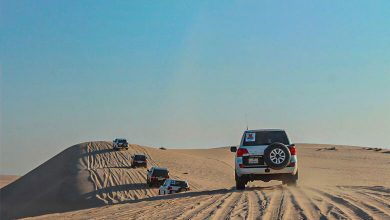
The central plateau and deserts
Tehran, Isfahan, Kashan, Yazd and Kerman sit on a high, dry plateau with hot summers, cool to cold winters and big swings between day and night. Tehran averages around 5 degrees in January and about 31 degrees in July, while Isfahan is similar, and Yazd and Kerman are hotter in summer. Rainfall is low and falls mainly in winter and spring.
Shiraz and the south-central highlands
Shiraz is at about 1,500 meters and has milder winters than Tehran. Average daytime highs reach the mid-30s Celsius in summer, so the best months for visiting Persepolis and the city are spring and autumn.
The Persian Gulf coast and southwest
Bandar Abbas, Bushehr, Kish Island, Qeshm and Ahvaz have mild, pleasant winters and extremely hot, humid summers. Bandar Abbas averages roughly 18 degrees in January and about 35 degrees in July, and air temperatures above 50 degrees have been recorded in the south and southwest in recent summers.
Average Temperatures in Main Iranian Cities
| City | Average in January | Average in July |
| Tehran | about 5 °C | about 31 °C |
| Isfahan | about 3 °C | about 29 °C |
| Shiraz | about 6 °C | about 29 °C |
| Tabriz | about minus 1 °C | about 27 °C |
| Mashhad | about 1.5 °C | about 26 °C |
| Bandar Abbas | about 18 °C | about 35 °C |
These are long-term average daily temperatures and are approximate. Daytime highs are much higher in summer, often 35 to 40 degrees in the central cities, and nights are cooler at altitude.
Season by Season
- Spring (March to May): mild, green and the most popular season. Nowruz, the Persian New Year in March, brings holiday crowds and higher prices.
- Summer (June to August): very hot on the plateau and in the south; cooler in the northwest and in mountain areas. Plan sightseeing for early morning and evening.
- Autumn (September to November): clear and comfortable, with warm days and cooler nights, ideal for touring.
- Winter (December to February): cold in Tehran, the northwest and the mountains, with snow in many areas; ski resorts near Tehran operate in the season, and the southern coast is pleasant.
Heat and Water Shortages in Recent Summers
Iran has faced several years of drought. In July 2025, heatwaves pushed temperatures above 50 degrees at several stations in the south and southwest, reservoir levels serving Tehran were reported at record lows, and authorities asked residents to reduce water use while water and electricity supplies were disrupted in some places. Government offices and banks have been closed during extreme heat in some summers. If you travel in summer, ask your hotel about water and power reliability and plan indoor breaks.
What to Pack
- All year: modest, loose clothing, a headscarf for women, comfortable walking shoes, sun protection and a refillable water bottle.
- Winter: a warm coat, hat and gloves for Tehran, the northwest and mountain areas.
- Summer: light, breathable long clothing, a hat, sunglasses and plenty of water.
- Spring and autumn: layers, because mornings and evenings are cool and daytime warms up.
Best Time for Different Trips
- Classic cultural route (Tehran, Isfahan, Yazd, Shiraz): April to May or October to early November. See our guide to Iran tourist attractions for sights on this route.
- Persian Gulf islands such as Kish and Qeshm: November to March.
- Caspian coast and northern forests: late spring and autumn.
- Skiing near Tehran: mid-winter, subject to snow and local operations.
- Museums and indoor visits in Tehran: any time of year; see our guide to the museums in Tehran for the current status.
Check Current Conditions
Weather is not the only factor in 2026. Conflict from late February disrupted travel, heritage sites and tourism, and many governments publish cautious or restrictive travel advice. Check official guidance, flight availability and local conditions before you plan, and keep bookings flexible. For food on your route, see our guide to restaurants in Iran.
Frequently Asked Questions
What is the best month to visit Iran?
April, May, October and early November are the most comfortable months for the main cultural cities.
Is Iran hot all year?
No. Summers are very hot in the center and south, but winters are cold in the north, northwest and mountains, with snow.
What is the coldest part of Iran?
The northwest, including Tabriz and Ardabil, and the high mountain areas.
Where is the hottest part of Iran?
The Persian Gulf coast and the southwest, including Ahvaz, Bandar Abbas and Khuzestan, in summer.
When is Nowruz?
Around 20 or 21 March; expect crowds and higher prices.
Can I visit Iran in winter?
Yes. It is a good time for the Persian Gulf coast and for skiing, but dress warmly in the north and center.