Qatar, a rapidly developing country on the Persian Gulf, has become one of the Middle East’s most popular travel destinations. From world-class museums and futuristic skyscrapers to traditional souqs and desert adventures, the country offers a variety of attractions. Yet one of the most important factors to consider before visiting is the climate. The weather in Qatar strongly influences the type of activities travelers can enjoy, the clothes they should pack, and even how they plan their day.
This guide explores Qatar’s weather throughout the year, the differences between seasons, the impact of humidity and rainfall, and practical advice on when to visit. It also includes cultural considerations and packing tips to ensure visitors have a comfortable and respectful experience.
Overview of Qatar’s Climate
Qatar has a desert climate characterized by extremely hot summers, mild winters, minimal rainfall, and high humidity along the coast. Sunshine dominates year-round, and the flat terrain means weather conditions are relatively consistent across the country. Despite this, visitors will notice seasonal variations that can significantly impact travel plans.

The climate can be divided into two broad periods: the cooler season, from late November to early March, and the hot season, from April to October. Within these periods, there are notable shifts in temperature, humidity, and daylight hours.
Seasonal Weather in Qatar
Winter Months (December to February)
Winter is considered the best time for tourism. Daytime temperatures range from 20–25°C (68–77°F), while nights can dip to 12–15°C (53–59°F). January is the coldest month, with daytime highs around 21°C (70°F). Although “cold” is relative in a desert environment, evenings can feel chilly, especially in the open desert, making light jackets and sweaters useful.
This period also sees the majority of Qatar’s limited rainfall. Heavy but brief showers may occur, particularly in December and January. Outdoor events, desert safaris, and city tours are most enjoyable during these months, when the weather is comfortable and humidity is low.
Spring Transition (March to May)
March marks the transition from cooler weather to rising heat. Average highs climb to 29°C (84°F) by March and can reach 38°C (100°F) by May. While March is still pleasant for outdoor activities, April and May can feel hot and increasingly humid, especially in coastal areas.
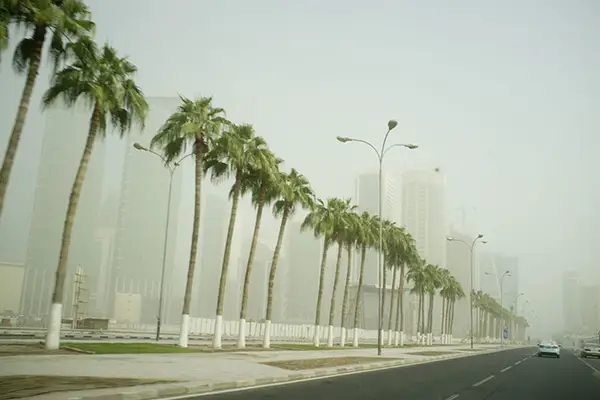
This season is known for dust storms triggered by the shamal winds, which blow from the northwest. These winds can lower visibility and create challenging conditions for travelers, although they are part of the authentic desert experience.
Peak Summer (June to September)
Summer in Qatar is long, intense, and not ideal for outdoor exploration. Daytime highs often exceed 45°C (113°F), and combined with humidity, the heat index can feel even higher. Nights remain hot, rarely dropping below 30°C (86°F). The worst conditions are in August and September, when humidity peaks, making the air heavy and uncomfortable.
During this season, locals and visitors alike rely heavily on air-conditioned spaces. Shopping malls, museums, and luxury hotels become the primary places to spend time. Tourists who travel in summer should be prepared for extreme heat and schedule any outdoor activities early in the morning or after sunset.
Autumn Transition (October to November)
Temperatures gradually fall in October and November, ranging from 26–34°C (79–93°F). Humidity decreases compared to the summer peak, and outdoor activities become feasible again. By mid-November, the weather is warm but comfortable, making this another excellent time to visit.
Weather in Doha
Doha, the capital, reflects the general climate of the country but with slightly higher humidity due to its coastal location.
- January: Average high 21°C (70°F), low around 13°C (55°F).
- July: Average high 41–45°C (106–113°F), with occasional spikes above 47°C (116°F).
- Humidity: Peaks in August and September, sometimes reaching above 80%.
Travelers should be aware that heatwaves have become more common in recent years, with record-breaking highs above 50°C (122°F) reported. Climate change is influencing the Gulf region, making summers even harsher.
Sunshine and Daylight
Qatar is sunny almost every day of the year. From May to August, daylight lasts around 14 hours, while in winter months it shortens to about 10 hours. The abundance of sunshine means sunscreen, sunglasses, and hats are essential travel items, regardless of the season.
Rainfall and Storms
Rainfall in Qatar is scarce, averaging 70–80 millimeters annually. It occurs almost entirely between December and February in the form of sudden showers or thunderstorms. Rain is so infrequent that locals often see it as a novelty. From late spring through early autumn, rain is almost nonexistent, creating long dry seasons.
Dust storms are another climatic feature. The shamal winds, especially in spring and summer, can create sandstorms that reduce visibility and coat everything in fine dust. Visitors should carry protective eyewear or masks if they plan to be outdoors during such events.
Best Time to Visit Qatar
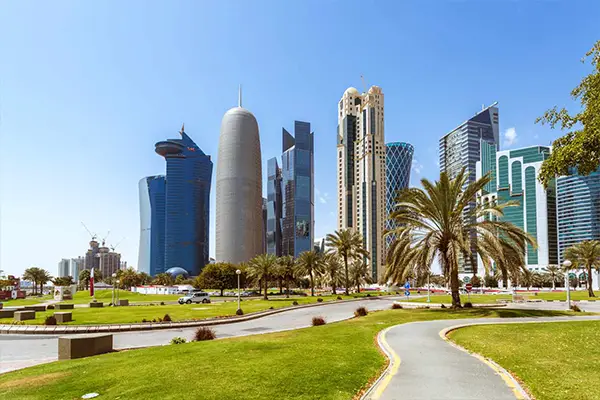
For most travelers, the period from mid-November to March is the most attractive. The weather is mild, allowing for outdoor activities like:
- Exploring Souq Waqif or the Corniche in Doha
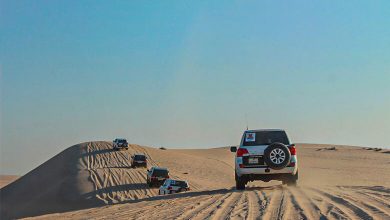
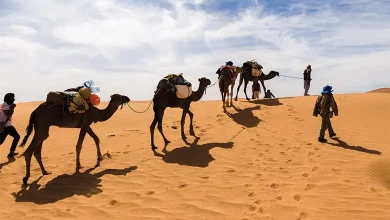
- Desert camping under the stars
- Visiting cultural sites such as the Museum of Islamic Art
- Attending sports events and festivals
December and January are peak months for tourism, so hotel prices and availability can be challenging. November and March offer slightly warmer conditions but fewer crowds.
Those who enjoy extreme heat or lower travel costs may consider visiting in summer, when flights and hotels are often cheaper. However, activities will be limited to indoor attractions due to the intense heat.
Best time to visit Qatar
Cultural and Seasonal Events
The weather also shapes Qatar’s cultural calendar.
- Qatar National Day (December 18): Celebrated with parades, fireworks, and cultural shows during pleasant winter weather.
- Sports Events: Winter months host international sporting events, including tennis, athletics, and football tournaments.
- Ramadan: The dates shift about 11 days earlier each year. In 2026 it fell in February and March, and in 2027 it is expected to begin in early February, so it now falls in the cooler season. Travelers should note shorter working hours and cultural practices such as fasting during daylight.
What to Pack for Traveling to Qatar
Packing appropriately ensures comfort in Qatar’s unique climate:
- Summer: Lightweight, breathable clothing made of cotton or linen; wide-brimmed hats; sunglasses; sunscreen; and reusable water bottles.
- Winter: Light jackets, sweaters, and scarves for cool evenings, especially in the desert.
- Camping: Extra layers for nights, as temperatures can drop significantly compared to daytime heat.
- Cultural Respect: Modest clothing is expected. Women should avoid short or revealing outfits, while men should refrain from sleeveless tops in public. This is especially important when visiting mosques or traditional areas.
Climate Challenges and Travel Tips
The combination of extreme heat and high humidity makes Qatar one of the most challenging climates in the world during summer. Travelers should:
- Stay hydrated at all times
- Avoid prolonged outdoor exposure between 11 am and 4 pm
- Use air-conditioned transportation and venues
- Check weather forecasts for dust storms
In recent years, Qatar has invested in infrastructure to manage the climate. Air-conditioned stadiums built for the FIFA World Cup 2022 are an example of adapting to hot conditions while hosting global events.
Final Thoughts
Qatar’s desert climate defines much of the country’s lifestyle and travel experience. While summers can be overwhelming, the cooler months provide an excellent opportunity to enjoy its cultural treasures, desert landscapes, and coastal beauty. By planning your trip around the seasons, packing the right clothes, and respecting local customs, you can make the most of your time in this fascinating Gulf nation.
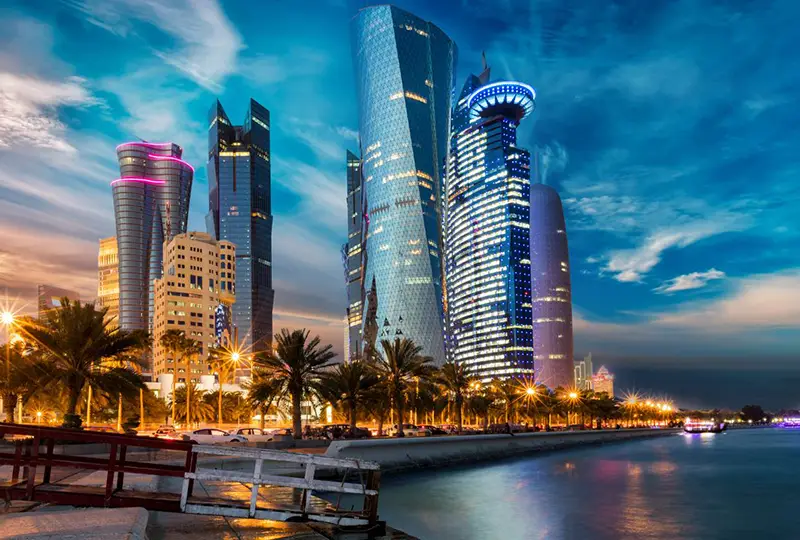
Whether you are drawn to Doha’s modern skyline, traditional markets, or adventures in the desert, understanding the climate will help you travel smart and comfortably in Qatar.