


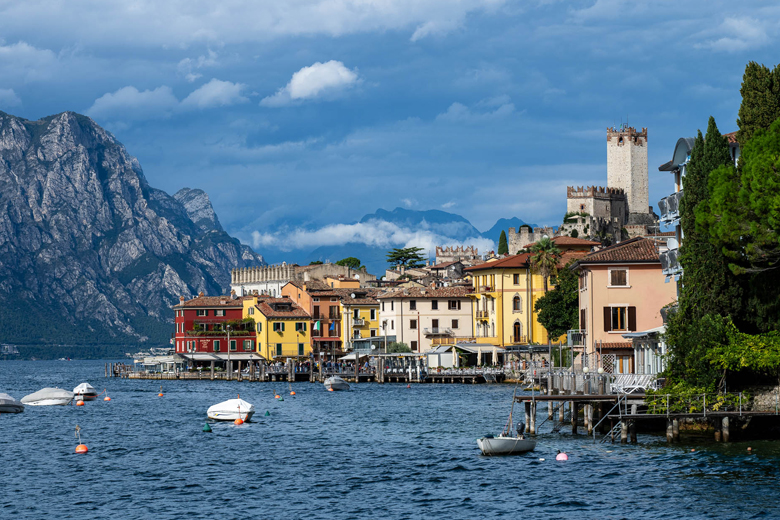
If you are looking for a place in Italy where mountains, clear water, historic towns and relaxed lakeside life come together, Garda See is a destination worth exploring. Known as Lake Garda in English and Gardasee in German, it is the largest lake in Italy and stretches across three regions: Lombardy, Veneto and Trentino-Alto Adige.
What makes Garda See interesting is not simply its size or scenery. The landscape changes noticeably as you travel around the lake. The southern shore has a more relaxed Mediterranean atmosphere, while the northern part becomes more mountainous and is particularly popular with hikers, cyclists and water-sports enthusiasts.
Around the lake, visitors can explore medieval towns, castles, Roman archaeological sites, beaches, walking trails, restaurants and small harbours. Some places are ideal for a quiet weekend, while others are better suited to an active holiday. This Garda See travel guide covers the main places to visit, things to do, the best areas to stay and practical information to help you plan your trip.

Where Is Garda See?
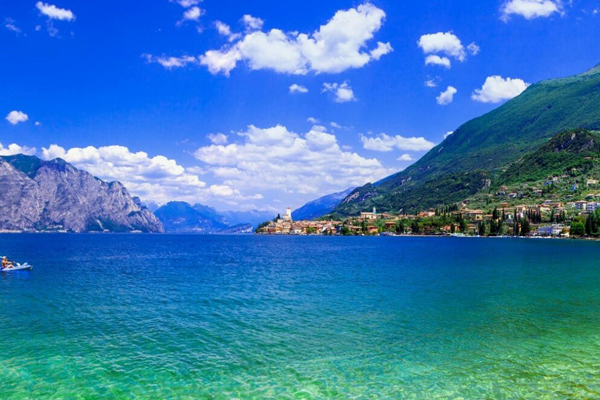
Garda See is located in northern Italy, between Milan and Venice and close to Verona. The lake extends through three Italian regions, which is one reason why the landscape and character of its towns can feel quite different from one side to another.
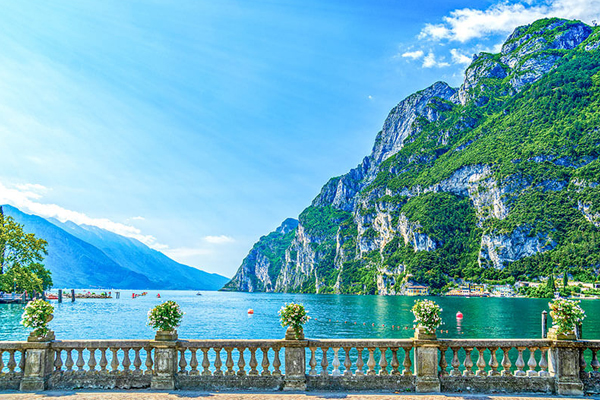
The lake is surrounded by mountains in the north, while the southern shore opens into a broader and gentler landscape. This geographical variety gives Lake Garda a mix of alpine and Mediterranean scenery. There are many towns and villages around the lake, including Sirmione, Desenzano del Garda, Peschiera del Garda, Bardolino, Garda, Malcesine, Limone sul Garda, Salò and Riva del Garda.
Because the towns are spread around the shoreline, choosing where to stay can make a significant difference to your trip.
Best Places to Visit Around Garda See
One of the best things about Lake Garda is that there is no single town that represents the whole destination. Each area offers something different.
Sirmione
Sirmione is one of the most recognizable destinations on Garda See. The historic centre sits at the end of a long peninsula extending into the southern part of the lake. Its most famous landmark is Scaligero Castle, a medieval fortress surrounded by water. The town is also home to the Grottoes of Catullus, an important Roman archaeological site, as well as thermal facilities and lakeside beaches.
The narrow streets of the old town can become busy during the main tourist season, but visiting early in the morning or later in the afternoon offers a quieter experience. Sirmione is a particularly good choice for travellers interested in history, architecture, food and lakeside walks.
Riva del Garda
At the northern end of the lake, Riva del Garda has a noticeably different atmosphere. Mountains rise around the town, creating dramatic scenery and making Riva popular with people who enjoy cycling, hiking, sailing, windsurfing and other outdoor activities. It also has an attractive historic centre and a pleasant waterfront.
The northern part of Garda See is often a better match for travellers who want to combine a lake holiday with mountain activities. Riva del Garda is also one of the main gateways to the Trentino side of the lake.
Malcesine
Malcesine is one of the most attractive towns on the eastern shore of Lake Garda. Its historic centre is dominated by the medieval Scaliger Castle, while the surrounding mountains provide a spectacular backdrop.
The town is also an important starting point for visiting Monte Baldo. From the mountain, visitors can enjoy panoramic views across Lake Garda and the surrounding landscape. For photographers and travellers who want both a historic village and mountain scenery, Malcesine is an interesting stop.
Limone sul Garda
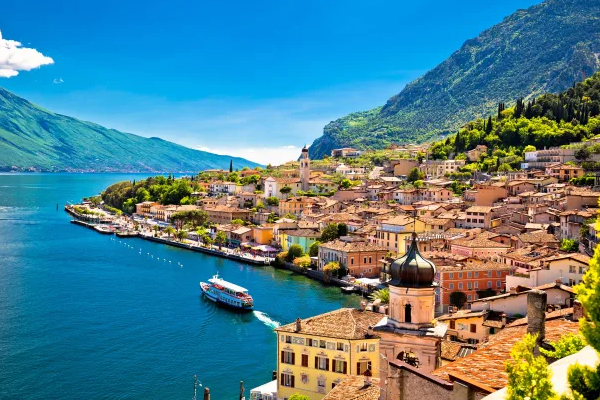
Limone sul Garda is located on the western shore and is known for its narrow streets, waterfront setting and historic connection with lemon cultivation. The village sits between steep mountains and the lake, creating some of the most distinctive scenery around Garda See. Its lakeside promenade is ideal for a relaxed walk, while the surrounding area offers opportunities for hiking and cycling.
Despite its small size, Limone can become quite busy during the summer months, so an early visit can make the experience more enjoyable.
Peschiera del Garda
Peschiera del Garda is located at the southern end of the lake and has a different character from the mountain towns in the north. The town is surrounded by canals and defensive walls and has a long military history. Its fortified centre is recognized as part of the UNESCO World Heritage site connected with the Venetian defensive works.
Peschiera is also useful as a base for travellers who want to explore the southern shore or combine a Lake Garda trip with nearby destinations such as Verona.
Garda and Bardolino
The towns of Garda and Bardolino are located along the eastern shore and are known for their waterfront promenades, restaurants, cafés and relaxed holiday atmosphere. Garda itself has a historic centre and access to places such as Punta San Vigilio and Rocca di Garda.
Bardolino is particularly associated with wine and is a popular destination for visitors interested in local food and wine experiences. These towns can be a good option for travellers who want easy access to the lake without staying in one of the larger northern resorts.
Salò
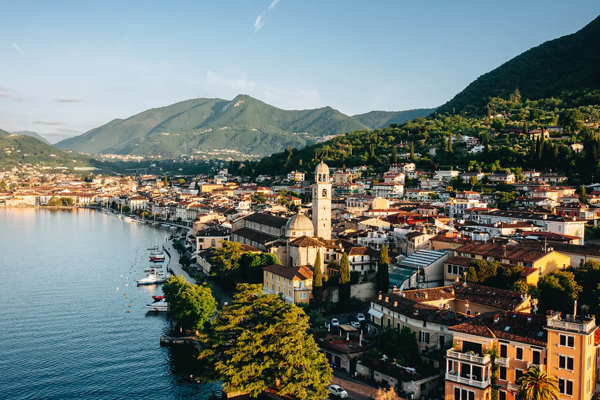
On the western shore, Salò sits around a long and elegant bay. The town has a historic centre, a waterfront promenade and a selection of restaurants and cafés. It is also a convenient base for exploring other parts of the western shore, where smaller villages, hills and scenic roads create a quieter side of Garda See.
Things to Do in Garda See
A Lake Garda holiday does not have to be limited to sightseeing. The lake and its surrounding landscape offer plenty of activities.
Take a Boat Trip
One of the easiest ways to understand the scale and beauty of Garda See is to see it from the water.
Passenger boats connect many of the towns around the lake, making it possible to combine several destinations without driving around the entire shoreline. Boat travel also provides a different perspective of the mountains, villages and waterfronts.
For travellers without a car, ferries can be especially useful when planning a route between towns.
Explore the Lake by Bicycle
Cycling is another popular way to experience the area.
The northern part of Lake Garda is especially attractive to cyclists because of its mountainous landscape and outdoor-oriented towns. There are routes for experienced riders as well as more relaxed rides along flatter sections.
The famous Garda cycle routes and lakeside paths provide opportunities to experience the landscape at a slower pace.
Go Hiking
The mountains surrounding Garda See offer numerous hiking opportunities.
Monte Baldo is one of the best-known areas for mountain views, while the hills around the western and northern shores offer trails through forests, olive groves and rural landscapes.
A hike can be a good way to escape the busiest waterfront areas and see a quieter side of the lake.
Visit Castles and Historic Sites
History is part of the character of Garda See. Castles and fortifications can be found in several towns around the lake.
Scaligero Castle in Sirmione and Malcesine Castle are among the most recognizable examples. Peschiera’s fortified centre adds another important historical attraction to the southern part of the lake.
Beyond castles, visitors can also find Roman remains, historic churches and old town centres throughout the area.
Relax on the Beaches
Lake Garda has numerous beaches, although they are different from the sandy beaches found along Italy’s Mediterranean coast.
Many are made up of stones or pebbles and are located close to towns or walking paths. During warm weather, swimming and relaxing beside the lake are popular activities.
The best beach for you will depend on whether you want easy access to restaurants and services or a quieter natural setting.
Which Part of Garda See Should You Stay In?
Choosing the right area depends largely on the type of holiday you want. Sirmione and the southern shore are suitable for travellers interested in history, thermal experiences, restaurants and a lively holiday atmosphere.
The eastern shore, including Garda, Bardolino and Malcesine, works well for visitors who want scenic villages, boat connections, restaurants and access to Monte Baldo. The western shore, including Salò and Limone sul Garda, offers a combination of historic villages, mountain scenery and a somewhat quieter atmosphere in some areas.
The northern shore, particularly Riva del Garda and Torbole, is a strong choice for hiking, cycling, windsurfing and other outdoor activities. There is no single best area for every traveller. The right choice depends on how you want to spend your time around the lake.
When Is the Best Time to Visit Garda See?
Lake Garda can be visited throughout much of the year, but the experience changes considerably by season.
Spring
Spring brings warmer temperatures, green landscapes and fewer visitors than the peak summer months. It can be an excellent time for walking, sightseeing and cycling.
Summer
Summer is the busiest period. The weather is generally suitable for swimming, boating and outdoor activities, but popular towns can become crowded, especially around midday. If you visit in July or August, booking accommodation in advance is a good idea.
Autumn
Autumn can be particularly pleasant around Garda See. The weather is often comfortable for exploring towns and hiking, while the surrounding countryside begins to change colour. The season is also interesting for travellers who want to experience local food and wine.
Winter
Winter is much quieter. Some tourist businesses operate on reduced schedules, but the lake takes on a peaceful atmosphere. It can be a good option for travellers more interested in landscapes, walking and local towns than swimming or summer activities.
How to Get Around Lake Garda
Getting around Garda See is possible by car, bus and boat. A car gives you the greatest freedom, particularly if you want to explore smaller villages and scenic roads away from the main tourist centres.
However, you do not necessarily need a car. Public buses connect many towns, while boat services provide connections between several lakeside destinations. Current schedules should always be checked before travelling because services can vary by season.
If you plan to visit several towns in a short period, combining buses and boats can be more enjoyable than driving the entire shoreline.
How Many Days Do You Need in Garda See?
For a quick introduction, two days can cover one or two major towns and a boat trip. With three to four days, you can explore a larger section of the lake without rushing. For example, you could visit Sirmione and Peschiera in the south, spend time in Malcesine or Garda on the eastern shore, and dedicate another day to Riva del Garda or Limone.
A stay of five days or more gives you enough time to explore different parts of the lake while leaving room for hiking, cycling, relaxing and spontaneous stops in smaller villages. The lake is large enough that trying to see everything in a single day usually means spending too much time travelling.
Garda See and Nearby Attractions
One advantage of staying at Lake Garda is its location in northern Italy. Verona is relatively close to the southern part of the lake and makes an easy addition to a Garda itinerary. The city is known for its Roman Arena, historic centre and association with Shakespeare’s Romeo and Juliet.
Other possible day trips include Mantua, Brescia and the wine-producing areas around Valpolicella. Venice can also be reached as a longer day trip from the lake. This makes Garda See useful not only as a destination on its own but also as part of a wider northern Italy itinerary.
Is Garda See Worth Visiting?
For travellers who want more than a traditional city break, Lake Garda offers a rare combination of natural scenery, historic towns and outdoor activities.
You can spend one morning walking through a medieval town, take a boat across the lake in the afternoon and finish the day at a lakeside restaurant. The following day could be completely different, with a mountain hike or cycling route. That variety is perhaps the main reason Garda See continues to attract visitors from around the world.
Rather than treating Lake Garda as a single attraction, it is better to think of it as a collection of destinations connected by one large lake. Sirmione feels different from Riva del Garda, just as Limone feels different from Peschiera. That is what makes exploring the area worthwhile.
Frequently Asked Questions About Garda See
Is Garda See the same as Lake Garda?
Yes. Garda See is the German name Gardasee for Lake Garda, while Lake Garda is the commonly used English name.
Where is Garda See located?
Lake Garda is in northern Italy, between the regions of Lombardy, Veneto and Trentino-Alto Adige.
What is Garda See famous for?
It is known for its large lake, mountain scenery, historic towns, castles, beaches, outdoor activities, food and wine.
What are the best towns to visit on Lake Garda?
Popular destinations include Sirmione, Riva del Garda, Malcesine, Limone sul Garda, Peschiera del Garda, Garda, Bardolino and Salò. Each has a different atmosphere and range of activities.
Can you visit Garda See without a car?
Yes. Buses and boat services connect many of the main towns around the lake. However, a car can be useful if you want to explore smaller villages and areas away from the main tourist routes.
How long should you stay at Garda See?
Three to four days is a practical starting point for seeing several important places without rushing. Longer stays are better if you want to combine sightseeing with hiking, cycling, swimming or day trips.
Final Thoughts
Garda See is one of those destinations where the journey around the lake can be just as interesting as the individual places you visit. From the historic streets of Sirmione and the mountain setting of Riva del Garda to the narrow lanes of Limone and the views from Monte Baldo, the landscape keeps changing as you move from one shore to another.
Whether you are planning a short weekend in Italy or a longer northern Italy itinerary, Lake Garda offers enough variety to fill several days without feeling repetitive. The best approach is to choose a part of the lake that matches your interests, allow enough time to explore beyond the most famous landmarks, and leave some room for simply sitting beside the water and enjoying the scenery.